How Can Custom Stained Glass Design Transform Your Home's Architectural Character and Historical Significance?
The Timeless Art of Custom Stained Glass: Understanding Its Evolution and Modern Applications
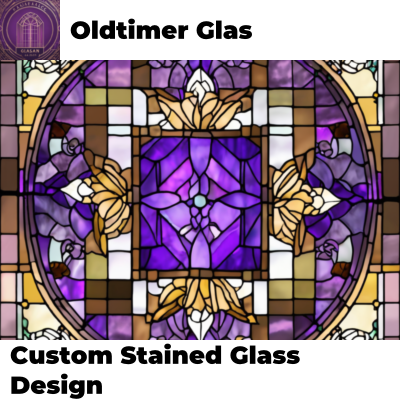
Custom stained glass design represents far more than mere decoration—it embodies centuries of craftsmanship, artistic vision, and technical precision. The practice originated during the medieval period, when artisans developed revolutionary techniques to create luminous windows that told biblical stories and transformed worship spaces into transcendent environments. What's fascinating about this ancient craft is how it seamlessly bridges historical authenticity with contemporary aesthetic sensibilities. Modern practitioners like those at Oldtimer Glas understand that stained glass isn't simply about combining colored pieces; rather, it's about orchestrating light itself, manipulating how illumination dances through your spaces at different times of day.
The fundamental distinction between mass-produced decorative glass and genuinely custom stained glass design lies in personalization and intentionality. When you commission custom work, you're not purchasing a standardized product—you're entering into a collaborative process with skilled artisans who translate your vision into a permanent architectural feature. This distinction matters profoundly because your home or building possesses unique characteristics: specific window dimensions, particular architectural styles, individual color schemes, and personal narratives worth commemorating.
Why Traditional Stained Glass Methods Matter in Contemporary Homes
The resurgence of interest in stained glass design reflects something deeper than nostalgia. Homeowners increasingly recognize that genuine craftsmanship offers qualities that industrial production simply cannot replicate. Hand-cut glass pieces possess subtle variations in tone and texture that create visual depth impossible to achieve with uniform manufactured components. The lead came (the metal strips holding glass together) contributes structural integrity while creating elegant linear patterns that frame each glass segment.
Consider the physics involved: when sunlight passes through colored glass, wavelengths scatter differently depending on the glass's composition and thickness. A professionally designed piece accounts for this phenomenon, positioning specific colors to maximize or minimize light transmission based on directional exposure and seasonal variations. This technical understanding separates amateur attempts from professional stained glass design.
The Relationship Between Architectural Style and Stained Glass Design
Your home's architectural identity fundamentally shapes appropriate stained glass solutions. Victorian properties demand different aesthetic approaches than contemporary residences or mid-century modern structures. Oldtimer Glas specializes in understanding these stylistic nuances because vintage glass restoration requires intimate knowledge of period-appropriate techniques and design principles.
For Victorian homes, traditional patterns incorporating geometric precision and ornamental complexity align with the era's design philosophy. Arts and Crafts movement aesthetics favor nature-inspired motifs with organic flowing lines. Modern minimalist architecture benefits from geometric patterns and restricted color palettes. The point isn't matching existing styles slavishly but rather creating complementary designs that enhance architectural character rather than clash with it.
How Custom Stained Glass Enhances Light Quality and Atmospheric Mood
Light isn't uniform—it transforms throughout the day, across seasons, and in response to weather conditions. This variability represents one of stained glass's greatest strengths. A thoughtfully designed piece creates entirely different visual experiences depending on whether you observe it during morning sun, afternoon brightness, or artificial evening illumination. This dynamic quality means your investment continuously reveals new dimensions rather than remaining static.
The Science Behind Color Selection in Stained Glass Design
Understanding how the human eye perceives color through transmissive materials (light passing through rather than reflecting off surfaces) proves essential for successful stained glass design. Colors appear dramatically different when backlit versus reflecting ambient light. Deep blues and purples that feel heavy and absorptive in paint appear luminous and ethereal when sunlight passes through them. Warm amber tones intensify dramatically, creating a sense of warmth and energy. Clear or pale yellow glass acts as a neutral transmitter, allowing light to reach interior spaces while adding subtle warmth.
Professional designers select specific glass types based on:
- Optical characteristics: How the glass bends and refracts light depending on thickness and composition
- Color stability: Whether dyes or metallic oxides creating the color fade over decades of UV exposure
- Compatibility: How adjacent colors interact visually and whether combined pieces create harmonious or discordant effects
- Texture considerations: Smooth glass versus rippled, hammered, or crackled surfaces that scatter light differently
The phenomenon called "color temperature" affects mood profoundly. Warm colors (reds, oranges, yellows) create feelings of energy, warmth, and intimacy. Cool colors (blues, greens, purples) evoke calm, contemplation, and spaciousness. A well-designed stained glass window balances these psychological effects with architectural requirements and personal preference.
Seasonal and Time-Based Variations in Stained Glass Appearance
The angle at which sunlight strikes your home changes dramatically between winter and summer. In winter months, especially in northern latitudes, sun angles remain low and direct. Summer months bring higher angles and greater light intensity. These variations mean a stained glass window positioned on an eastern wall displays morning brightness entirely differently than one on a western exposure experiencing afternoon intensity. Professional designers at Oldtimer Glas account for these variables when creating custom pieces, ensuring the finished work maintains beauty across seasonal cycles rather than appearing optimal for only brief periods.
Artificial lighting presents additional complexity. Evening illumination from interior lights reverses the visual dynamic—instead of light passing through glass into your home, interior light projects outward through the glass toward the exterior. A design appearing warm and welcoming during daylight hours might transform into something entirely different when backlit by artificial sources. Exceptional stained glass design accounts for both illumination scenarios.
Vintage Glass Restoration: Preserving Historical Character While Improving Functionality
Existing stained glass windows often represent significant historical and artistic investments. Rather than replacing these pieces, restoration preserves their character while addressing practical concerns like weatherproofing, structural integrity, and accessibility issues. This approach aligns with broader preservation principles emphasizing authenticity and historical continuity.
Assessing Damage and Determining Restoration Scope
Stained glass deterioration manifests through multiple pathways. The lead came oxidizes and weakens over decades, potentially causing geometric distortion or allowing structural failure. Glass itself can crack from thermal stress (rapid temperature changes), physical impact, or structural settlement in the building envelope. Paint layers applied during historical periods may flake or deteriorate. Water infiltration damages both the glass and surrounding masonry.
Professional assessment requires examining:
- Structural stability: Whether the lead matrix remains capable of supporting glass weight or requires reinforcement
- Water damage patterns: Evidence of leakage indicating seal failures requiring intervention
- Glass condition: Crack patterns suggesting structural or thermal stress versus random breakage
- Historical accuracy: Determining which elements represent original construction versus previous repairs or modifications
- Paint layer integrity: Understanding whether paint applications remain stable or present preservation concerns
A thorough restoration considers whether repairs should match historical techniques exactly or employ modern reinforcement methods that provide superior durability while remaining visually subtle. This represents a nuanced decision requiring deep knowledge of both traditional and contemporary approaches.
Lead Came Restoration and Structural Reinforcement
The lead came connecting individual glass pieces accomplishes multiple functions simultaneously. It holds glass segments in place, provides structural support, creates visual grid patterns, and allows for manufacturing flexibility through curved and angled connections. Over time, lead becomes brittle, oxidizes, and may fail structurally.
Restoration options range from strategic reinforcement to complete reconstruction. Experienced artisans at establishments like Oldtimer Glas understand when minimal intervention preserves maximum historical integrity versus situations requiring comprehensive rebuilding. Reinforcement bars (called "armatures" or "support bars") can be added internally using stainless steel, providing structural support while remaining invisible from normal viewing distances.
Design Consultation: Transforming Your Vision Into Stained Glass Reality
Commissioning custom stained glass represents a significant investment requiring clear communication between property owner and artisan. The consultation process establishes parameters, explores possibilities, and builds shared understanding of project goals and constraints.
Initial Consultation: Establishing Goals and Constraints
The consultation phase addresses practical and aesthetic dimensions. Physical constraints include window dimensions, architectural features, existing color schemes, and structural considerations. Aesthetic goals might encompass historical accuracy, contemporary sophistication, specific symbolism, or personal narrative representation. Functional requirements specify whether the piece must provide privacy, control light transmission, or maintain specific sightlines toward exterior views.
During this phase, skilled designers ask clarifying questions:
- What historical period or architectural style should the design reference?
- Are there specific themes, symbols, or personal narratives worth incorporating?
- What's your desired color palette and how do these colors relate to surrounding spaces?
- Should the piece maintain transparency for viewing exterior vistas or emphasize privacy?
- What lighting conditions does the window receive throughout the day and seasons?
- Are there budgetary parameters that shape material selection or design complexity?
- What maintenance and care level can the property owner realistically provide?
These questions seem straightforward but contain surprising depth. "Transparency versus opacity," for instance, involves far more than simply deciding
whether to see outside. A window positioned above a kitchen sink might benefit from partial obscuration that prevents direct viewing while maintaining awareness of exterior light and weather. A bedroom window demands privacy without complete darkness. Bathroom applications require different solutions than living spaces or entryways.
Design Development: From Concept Sketches to Technical Specifications
Once consultations establish parameters, designers create preliminary sketches exploring compositional possibilities. These initial drawings communicate spatial relationships, color distributions, and overall aesthetic direction without committing to final specifications. This iterative process allows refinement based on client feedback before investing in detailed technical drawings.
The transition from conceptual sketch to technical specification involves several critical steps:
- Scale drawings showing precise dimensions matching actual window openings
- Color samples using actual glass pieces to demonstrate how selected colors appear when backlit
- Material specifications detailing glass types, lead came dimensions, and reinforcement requirements
- Installation methodology addressing how the finished piece will be secured, weatherproofed, and integrated with surrounding structure
- Cost projections breaking down material expenses, labor requirements, and timeline estimates
This documentation phase provides transparency and prevents misunderstandings. When both parties possess identical technical specifications, disagreements about final appearance or installation details become virtually impossible.
Material Selection: Understanding Glass Characteristics and Options
The glass selection process deserves particular attention because material choices fundamentally determine aesthetic outcomes and long-term durability. Contemporary artisans access an astonishing range of glass types, each offering distinct characteristics:
Antique Glass features hand-blown composition creating natural color variations, subtle air bubbles, and surface irregularities that catch light differently depending on viewing angle. This authentic character appeals to those seeking historically accurate restoration or deliberately vintage aesthetics. However, antique glass costs considerably more than contemporary alternatives and may present structural challenges due to thickness variations.
Seedy Glass incorporates intentional air bubbles distributed throughout, creating sparkling effects as light refracts through these cavities. The texture provides visual interest while maintaining substantial light transmission. Seedy glass works particularly well in contemporary designs seeking traditional character without complete opacity.
Ripple and Water Glass feature undulating surfaces creating optical distortion effects. These textured varieties scatter light dramatically, making them ideal for applications where privacy matters as much as aesthetic impact. The visual interest generated by light playing across these surfaces makes them exceptionally forgiving in designs where minor imperfections become virtually invisible.
Smooth Cathedral Glass represents the contemporary standard offering consistent color, predictable light transmission, and straightforward fabrication. While sometimes dismissed as less "authentic," cathedral glass provides excellent value and works beautifully in well-designed compositions. Color consistency actually benefits complex designs requiring precise color matching between multiple pieces.
Opalescent Glass displays different colors depending on lighting angle and background. These chameleon-like qualities create visual depth impossible to achieve with single-color glass. Opalescent selections demand careful consideration because their transformative nature can appear magical or potentially chaotic depending on design execution.
Beveled Glass incorporates prism-like edges that refract light into rainbow spectrums. Used strategically, beveled pieces add sophisticated sparkle and luminosity. Overuse creates visual noise and detracts from overall composition. Experienced designers employ beveled elements sparingly for maximum impact.
Material selection interacts with design composition, architectural context, and personal preference in complex ways. Oldtimer Glas professionals guide this process, helping clients understand how theoretical color samples translate into actual installed appearance considering specific site conditions.
Common Applications for Custom Stained Glass Design in Residential and Commercial Spaces
Stained glass design extends far beyond decorative windows, addressing diverse functional and aesthetic requirements across residential and commercial applications. Understanding these possibilities helps property owners envision opportunities within their specific spaces.
Residential Applications: Personal Spaces Enhanced Through Artistic Vision
Entryway Doors and Sidelights create powerful first impressions while controlling visibility from exterior perspectives. A beautifully designed stained glass door immediately communicates that the interior space receives careful attention. Sidelights flanking solid doors introduce color and light without compromising privacy. These applications particularly suit homes emphasizing architectural character or period authenticity.
Interior Partition Walls and Room Dividers employ stained glass to create visual separation while maintaining light flow between adjacent spaces. This approach proves especially valuable in smaller homes or open-concept layouts where complete room division would feel claustrophobic. A stained glass partition between kitchen and dining areas, for instance, creates distinct zones while unifying the overall aesthetic and allowing light penetration.
Bathroom Windows require particular design consideration because moisture exposure demands weather-resistant installation and specialized sealing. Stained glass bathroom windows provide privacy while introducing decorative interest. Frosted or opalescent designs maintain visual obscurity while the artwork transforms functional space into something beautiful.
Stairwell Windows offer exceptional opportunities because their vertical orientation and typically upper-floor positioning maximize light exposure throughout the day. A stained glass stairwell window becomes a focal point visible from multiple interior vantage points, transforming mundane circulation space into artistic experience.
Cabinet Inserts and Hutch Doors bring stained glass details into everyday functional furniture. Glass-fronted cabinets displaying collections gain dramatic appeal when backlit stained glass inserts frame displayed objects. This approach works particularly well in dining rooms or kitchens where architectural opportunities for traditional stained glass might be limited.
Commercial Applications: Establishing Identity and Creating Welcoming Environments
Retail Storefronts leverage stained glass design to establish brand identity and attract customer attention. A distinctive window display featuring custom stained glass artwork distinguishes the business from generic commercial establishments. Restaurants, galleries, boutiques, and specialty retailers particularly benefit from this approach, as the visual distinctiveness communicates quality and establishes emotional connection before customers even enter.
Office Reception Areas employ stained glass to create professional yet welcoming environments. Rather than institutional sterility, a thoughtfully designed stained glass accent establishes sophistication and suggests the business values aesthetics and craftsmanship. This application proves especially valuable for design firms, law offices, medical practices, and other professional services seeking to differentiate themselves.
Religious and Spiritual Spaces represent traditional stained glass strongholds where these windows communicate theological concepts and create contemplative environments. Whether addressing historic preservation of existing windows or creating new installations in modern facilities, religious applications demand deep understanding of symbolic language and spiritual purpose.
Hospitality Venues including hotels, restaurants, and bars utilize stained glass to enhance atmosphere and establish memorable environments. A hotel lobby featuring custom stained glass immediately communicates luxury and attention to detail. Restaurant windows employing warm earth tones and nature-inspired motifs enhance the dining experience and encourage patrons to linger.
Educational Institutions sometimes commission stained glass for buildings addressing institutional identity, commemorating significant figures, or creating inspiring learning environments. The permanence of stained glass makes it particularly suitable for these applications where institutional commitment and historical continuity matter.
Understanding the Investment: Quality Costs and Long-Term Value Preservation
Custom stained glass represents significant financial investment. Understanding cost factors and recognizing long-term value helps property owners make informed decisions about this commitment.
Factors Influencing Custom Stained Glass Pricing
Design Complexity substantially impacts costs. Simple geometric patterns require less design development time and fabrication expertise than intricate representational artwork incorporating numerous colors and detailed elements. A straightforward border pattern costs considerably less than a window featuring detailed landscape or figurative compositions.
Glass Selection creates dramatic pricing variations. Antique hand-blown glass costs significantly more than contemporary cathedral options. Specialty materials like bevereled glass or custom-mixed color blends increase expenses. The area covered by expensive specialty glass versus less costly standard materials directly affects overall project cost.
Fabrication Methods range from traditional lead came construction to contemporary copper-foil techniques. Lead came installation typically costs more than foil methods but offers superior durability and authenticity for historical applications. Reinforcement requirements, whether simple or complex, add to fabrication expenses.
Installation Complexity influences pricing substantially. Projects requiring structural modifications, weather-sealing challenges, or specialized mounting solutions cost more than straightforward installations into existing openings. Custom framing and trim work adds expenses but ensures professional integration with surrounding architecture.
Timeline and Scheduling create cost implications. Rush projects requiring accelerated scheduling typically incur premium pricing. Conversely, projects accommodating normal production timelines often qualify for modest discounts. Custom stained glass fabrication cannot be rushed without compromising quality, so realistic scheduling benefits both artisan and client.
Recognizing Long-Term Value and Return on Investment
While custom stained glass requires substantial upfront investment, the long-term value proposition often justifies expenses. These installations typically increase property appeal and value significantly. Real estate professionals consistently report that distinctive architectural features like custom stained glass enhance marketability and support premium pricing.
Beyond financial considerations, the intangible value proves substantial. Living with or working within beautifully designed stained glass daily enriches life experience in ways difficult to quantify monetarily. The artistic expression, historical connection, and daily visual pleasure represent genuine lifestyle improvements that justify investment