
Why Should You Choose Professional Beveled Glass Installation for Your Home or Business?
Understanding the Craft of Beveled Glass Installation and Its Historical Significance
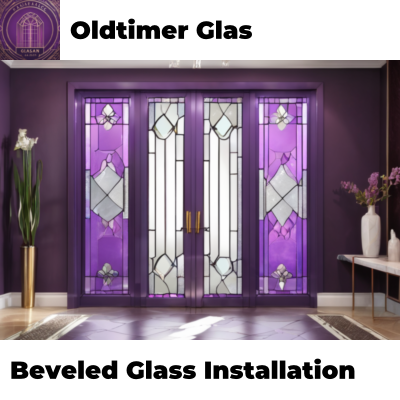
Beveled glass represents far more than merely angled edges on panes of glass. This centuries-old technique involves precision cutting and angling of glass pieces to create a distinctive light-refracting effect that transforms ordinary windows into architectural statements. When light passes through beveled edges, it fractures into prismatic patterns, casting rainbow hues across interior spaces. The practice traces back to medieval times when artisans discovered that angled glass surfaces could manipulate natural light in aesthetically pleasing ways. Oldtimer Glas specializes in this exacting craft, breathing new life into vintage installations while creating custom pieces that honor traditional methods.
The complexity of beveled glass installation cannot be overstated. Each piece requires careful measurement, precise angle calculations, and masterful execution. Professional installers must understand glass properties, structural requirements, and how beveled elements integrate with existing architectural features. This knowledge separates competent work from exceptional results.
The Historical Context of Beveled Glass in American Architecture
American residential architecture embraced beveled glass during the Victorian and Edwardian eras, roughly from 1880 through 1920. Wealthy homeowners viewed beveled glass as a status symbol, incorporating it into front doors, transom windows, and interior room dividers. These installations caught and manipulated sunlight in ways that reflected both natural illumination and the homeowner's refined taste. Urban residences featured elaborate beveled glass patterns, while Victorian estates showcased stunning examples of this decorative glazing technique.
The craftsmanship required during this period was extraordinary:
- Artisans hand-cut glass using primitive tools
- Each piece required individual fitting and adjustment
- Lead came (the metal strips holding pieces together) had to be carefully fitted
- Soldering joints demanded steady hands and precise temperature control
- Final pieces weighed substantially more than modern alternatives
Understanding this historical foundation matters tremendously when considering beveled glass restoration or installation today. Modern practitioners at Oldtimer Glas draw upon these historical methods while incorporating contemporary materials and safety standards.
Why Modern Homeowners Value Beveled Glass Elements
Contemporary interest in beveled glass stems from multiple factors beyond mere aesthetics. Homeowners seeking authentic period restoration recognize that beveled glass authenticity significantly enhances property values. Properties featuring original or carefully restored beveled glass command premium prices in vintage housing markets. Beyond financial considerations, beveled glass installations create an atmosphere that connects present residents to architectural heritage and timeless elegance.
The visual transformation achieved through beveled glass installation cannot be replicated through other means. Standard glass windows, while functional, lack the character and light-manipulating properties that beveled pieces provide. Morning sunlight streaming through beveled glass transforms a simple hallway into a gallery of moving light patterns. This daily experience of architectural beauty influences mood, perception of space, and overall quality of life within a home.
Distinguishing Between Restoration and New Installation Projects
Oldtimer Glas handles both restoration of existing beveled glass installations and creation of entirely new beveled glass features. These projects require fundamentally different approaches, expertise, and materials, though both demand exceptional attention to detail.
Restoration Projects and Their Unique Challenges
Restoration work presents particular challenges that straightforward new installations rarely encounter. Vintage beveled glass often suffers from multiple deterioration modes simultaneously. Lead came oxidizes, corrodes, and weakens over decades. Glass panes develop stress fractures from temperature fluctuations and structural settling. Historical solder joints become brittle and fail. Putty sealing the glass edges hardens and cracks, allowing moisture infiltration and accelerating deterioration.
Restoration specialists must:
- Document original configurations through photography and measurement
- Identify which pieces can be salvaged versus requiring replacement
- Source matching glass when replacements are necessary
- Remove corroded lead came without damaging surrounding glass
- Carefully re-solder joints using appropriate historical techniques
- Apply period-correct finishing materials
- Install reinforcement where structural integrity has been compromised
- Ensure finished work meets modern building codes while maintaining historical authenticity
Each restoration project at Oldtimer Glas becomes a forensic investigation into the original craftsmanship. Technicians examine construction methods, glass composition, and installation techniques to understand how the piece was originally created. This detective work informs decisions about appropriate restoration methods.
New Custom Beveled Glass Installation for Modern Spaces
Creating new beveled glass installations allows designers and homeowners to incorporate vintage aesthetics into contemporary spaces. Custom installations might include beveled glass in bathroom windows, decorative room dividers, cabinet doors, or architectural focal points. Unlike restoration work constrained by original designs, new installations offer creative freedom while respecting the time-honored beveled glass tradition.
Modern custom projects often blend historical techniques with contemporary design sensibilities. A designer might incorporate beveled glass into a contemporary kitchen in ways that echo Victorian styling without appearing anachronistic. Beveled glass can frame views, enhance natural light distribution, or simply serve as functional art within a space.
The decision to include custom beveled glass in new construction or renovation projects reflects deliberate choices about aesthetics and value. Homeowners and designers selecting beveled glass consciously reject mass-produced, generic window treatments in favor of distinctive, handcrafted solutions.
Technical Specifications and Material Considerations for Professional Installation
Beveled glass installation success depends fundamentally upon understanding material properties and technical requirements. The glass itself, the supporting materials, and the overall structural integration all demand careful consideration.
Glass Selection and Quality Standards
Not all glass performs equally in beveled applications. Quality considerations include:
- Clarity and color consistency – Premium beveled glass installations use crystal-clear glass free from imperfections, though some applications intentionally incorporate subtle coloration
- Thickness specifications – Beveled glass typically ranges from 3mm to 10mm thickness depending on application, span, and exposure conditions
- Surface quality – Edges must be properly finished to prevent sharp points that could cause injury
- UV resistance – Exterior installations require glass formulated to resist ultraviolet degradation
The beveling process itself affects glass integrity. When manufacturers angle glass edges, they create stress points that must be properly managed. Factory-beveled glass undergoes careful annealing to relieve internal stresses and prevent spontaneous fracturing.
Lead Came and Supporting Framework
Lead came—the H-shaped channels that hold individual glass pieces together—requires meticulous selection and installation. Specifications matter considerably:
- Lead purity – Higher purity lead (99.94% pure) offers superior workability and longevity
- Came profile – Different profiles accommodate different glass thicknesses and design requirements
- Joining methods – Traditional soldering versus modern mechanical joining affects structural performance and aesthetic authenticity
- Reinforcement strategies – Large installations require copper or steel reinforcement bars to distribute loads and prevent sagging
Understanding came selection represents one distinguishing factor between adequate and exceptional installation work. Oldtimer Glas technicians select materials specifically matched to each project's requirements rather than applying standard solutions universally.
Sealants, Putties, and Protective Coatings
The materials sealing joints between glass and lead came significantly influence project longevity. Traditional installations used linseed oil putty, which hardens over decades and eventually requires replacement. Modern alternatives include:
- Traditional linseed oil putty – Preferred for authentic restorations; requires periodic maintenance
- Modern glazing compounds – Offer extended durability; must be color-matched to blend with vintage installations
- Silicone sealants – Provide superior weather resistance; more durable than traditional putty
- Epoxy joints – Extremely durable but permanent; inappropriate for future restoration work
The choice between these options reflects project goals. Authentic restoration of Victorian beveled glass might specify traditional putty despite requiring future maintenance, because this choice honors original construction methods. Contemporary installations might utilize modern sealants balancing durability against maintenance requirements.
The Installation Process: From Assessment Through Final Finishing
Understanding what professional installation actually entails helps property owners appreciate the expertise involved and justify investment in quality workmanship.
Initial Assessment and Project Planning
Before any installation begins, Oldtimer Glas conducts thorough evaluation. This assessment phase determines:
- Exact dimensions and configurations required
- Structural integrity of existing frames and supports
- Light conditions and sun exposure patterns throughout the day
- Integration requirements with existing architectural elements
- Building code compliance issues
This planning phase often reveals complications not immediately apparent. A window frame might have subtle warping affecting glass seating. Supporting structures might require reinforcement before beveled glass installation proceeds. Existing electrical or plumbing might constrain installation approaches. Identifying these complications early prevents costly mistakes and rework later.
Precise Measurement and Design Development
Beveled glass installation demands measurement accuracy measured in millimeters. Professional installers employ digital measurement tools, documentation methods, and design software to translate physical spaces into precise specifications. The margin for
error in beveled glass work is essentially zero—glass cannot be easily adjusted or modified once cut and beveled.
Design development involves creating detailed drawings showing exact glass piece dimensions, beveling angles, lead came configurations, and how the completed installation will integrate with surrounding architectural elements. Computer-aided design tools now assist with this process, though experienced craftspeople still rely heavily on intuition developed through decades of hands-on work.
Glass Cutting and Beveling Operations
Once designs are finalized, the actual glass fabrication begins. Modern beveling operations employ specialized equipment that combines precision cutting with angled edge creation. The process involves:
- Selecting appropriate glass stock without imperfections
- Marking cutting lines according to design specifications
- Scoring and snapping glass along marked lines
- Loading individual pieces into automated beveling equipment
- Programming equipment to create specified angle and bevel width
- Inspecting finished pieces for quality and dimensional accuracy
- Carefully packaging pieces to prevent damage during transport
The beveling equipment itself represents significant capital investment. Precision grinders with diamond wheels create the angled surfaces at exact angles—typically 45 degrees for traditional beveling, though variations occur in custom work. The grinding process requires cooling fluid to prevent heat damage to glass. Skilled operators monitor equipment continuously to maintain consistent results across dozens or hundreds of individual pieces.
Assembly and Soldering
Once all glass pieces have been cut and beveled, assembly begins. This phase involves:
- Laying out all pieces according to design specifications
- Fitting lead came channels around individual glass pieces
- Ensuring all joints fit tightly without forcing glass into compromised positions
- Soldering joints where lead came intersects
- Adding reinforcement bars where required
- Testing structural integrity throughout assembly
Soldering represents one of the most demanding skills in beveled glass work. The solder joint must be strong enough to support glass weight and structural loads, yet the soldering process must not damage surrounding materials. Temperature control is critical—too little heat creates weak joints, excessive heat can damage lead came or even crack glass. Professional solderers develop intuitive understanding of thermal dynamics developed only through extensive practice.
Installation and Securing
The completed beveled glass assembly must be carefully installed into its final location. Installation techniques vary based on application:
For window installations:
- Frames receive careful preparation and moisture barriers
- Beveled glass assembly is positioned and leveled precisely
- Exterior sealants prevent water infiltration
- Interior trim work conceals edges and provides finished appearance
For decorative room dividers or cabinets:
- Support structures must be evaluated for adequacy
- Glass assemblies are secured using appropriate hardware
- Hinges or other hardware are installed and adjusted for smooth operation
- Aesthetic finishing details receive meticulous attention
For doors:
- Frame preparation ensures square and plumb alignment
- Glass assembly is secured with appropriate glazing methods
- Weatherstripping prevents air and water infiltration
- Hardware installation allows proper door function
Final Finishing and Quality Assurance
The installation process culminates in finishing work that makes the difference between acceptable and exceptional results. This phase includes:
- Cleaning all glass surfaces thoroughly to remove dust and residue
- Polishing lead came to enhance its visual appearance
- Applying appropriate sealants and protective coatings
- Installing trim and decorative elements
- Final inspection verifying all components function properly
- Documentation and warranty provision
Quality assurance at Oldtimer Glas involves multiple inspections throughout the installation process rather than merely checking finished work. Inspections occur after glass fabrication, after assembly, after initial installation, and after all finishing work completes. This comprehensive approach catches potential issues early when correction remains straightforward.
Why Professional Installation Outperforms DIY Approaches
The temptation to attempt beveled glass installation as a do-it-yourself project often arises, particularly among homeowners with general carpentry skills. However, beveled glass installation demands specialized knowledge that cannot be easily acquired through online research or video tutorials.
Specialized Knowledge Requirements
Professional installers possess knowledge spanning multiple disciplines:
- Glass science – Understanding how glass behaves under stress, responds to temperature changes, and interacts with different materials
- Metalworking – Proficiency with soldering, lead working, and metal fabrication techniques
- Building science – Knowledge of moisture management, structural loads, and building code requirements
- Historical methods – For restoration work, understanding how original craftspeople approached their craft
- Contemporary regulations – Familiarity with current building codes, safety standards, and accessibility requirements
This multidisciplinary knowledge cannot be quickly acquired. Even the most capable DIY enthusiast typically lacks expertise across all these domains. Attempting beveled glass installation without proper knowledge inevitably results in compromised outcomes, safety issues, or costly failures requiring professional remediation.
Equipment and Tool Specialization
Beveled glass work requires specialized equipment rarely found outside professional shops. Precision cutting equipment, beveling machines, soldering stations, and quality assurance tools represent substantial investments. Professional facilities have developed these capabilities through years of operation and continuous equipment upgrades. DIY attempts using improvised or inadequate tools produce inferior results and create safety hazards.
The simple act of soldering joints properly demonstrates this principle. Professional solderers work with temperature-controlled equipment, specialized flux formulations, and high-quality solder alloys. They have developed muscle memory and intuitive understanding of proper technique developed through thousands of hours of practice. An untrained person attempting soldering can create weak joints that eventually fail catastrophically.
Material Selection and Quality Control
Professional installers have established relationships with material suppliers and possess deep knowledge about material quality variations. They understand which manufacturers produce superior lead came, which glass suppliers provide consistently clear products, and which sealant formulations perform optimally in specific conditions.
This knowledge informs material selection in ways that significantly impact project outcomes. Choosing inadequate materials to save money during installation inevitably results in early deterioration and failure. Professional installation includes material warranties precisely because installers stand behind their material selections and workmanship.
Common Mistakes and How Professional Installation Prevents Them
Understanding typical installation failures illuminates why professional expertise matters. These mistakes commonly occur in amateur or inadequately supervised work:
Structural Inadequacy and Sagging Issues
Beveled glass assemblies can weigh considerably more than standard window glass. A large beveled glass installation might weigh 200 pounds or more. Inadequate support structures or improper reinforcement allows the assembly to sag over time, creating stress points that eventually crack glass or fail solder joints.
Professional installers calculate structural requirements based on:
- Total weight of the completed assembly
- Span between support points
- Exposure to wind loads (for exterior installations)
- Seismic considerations in earthquake-prone regions
- Long-term creep characteristics of materials
Undersizing reinforcement to save cost represents a critical mistake with long-term consequences. Professional installations incorporate appropriate reinforcement even when costs increase, because structural integrity cannot be compromised.
Water Infiltration and Moisture Damage
Improperly sealed beveled glass installations allow water infiltration that damages surrounding structures, promotes mold growth, and causes interior damage. Water problems typically develop gradually, remaining hidden until substantial damage has occurred.
Prevention requires:
- Proper flashing installation directing water away from the frame
- Continuous sealant application preventing water from entering joints
- Appropriate weatherstripping preventing air and water infiltration
- Sloped surfaces encouraging water drainage rather than pooling
- Regular maintenance and inspection identifying developing problems early
Professional installers understand these requirements and implement comprehensive moisture management strategies. DIY installations often overlook moisture considerations entirely, creating problems that manifest years after installation.
Electrical and Code Compliance Issues
Beveled glass installations must comply with building codes addressing safety, accessibility, and structural integrity. These codes exist because failure to meet them creates genuine safety hazards.
Common code compliance issues include:
- Tempered glass requirements – Building codes require tempered glass in certain locations for safety; beveled glass installations must meet these requirements through appropriate glass selection or installation methods
- Accessibility standards – Door installations must comply with accessibility requirements for disabled individuals
- Structural load ratings – Installation methods must support calculated loads with appropriate safety factors
- Electrical safety – Installations near electrical systems must meet clearance and grounding requirements
Professional installers maintain current knowledge of applicable building codes and ensure all work complies. This compliance protects property owners from liability issues and ensures installations function safely throughout their lifespan.
Aesthetic Advantages and Design Possibilities
Beyond functional considerations, beveled glass installation transforms spaces aesthetically in ways that justify investment in professional work.
Light Manipulation and Prismatic Effects
The primary aesthetic advantage of beveled glass involves its interaction with natural light. As sunlight passes through angled beveled edges, it refracts into component colors, creating rainbow patterns that move throughout the day as sun angle changes. Morning light produces different effects than afternoon illumination. Seasonal variations in sun angle create completely different prismatic displays between summer and winter.
This dynamic quality distinguishes beveled glass from standard glazing.